

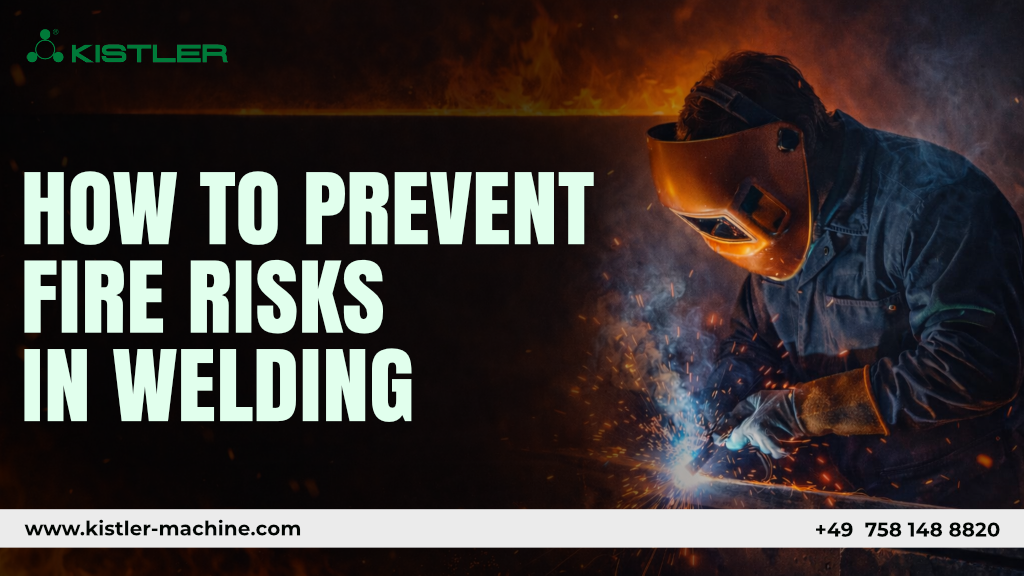
Welding is a powerful method to build and repair metal objects, but it generates extreme heat and flying sparks. These flying sparks can easily start a fire. This blog will explain some steps and practices to stay safe and protect your area while working with a welding machine.
Fire prevention in welding is managing your environment and equipment to make sure that the intense heat generated won't turn into any danger like fire accidents. It is about understanding that every spark has the potential to generate fire and taking steps to reduce those risks before you ever strike an arc.
Checking for Risks: look around your shop or garage to find anything that could catch fire, like oily rags, wood scraps, or fuel cans.
Containment: using physical barriers and specific techniques to keep the heat, sparks, and molten metal inside a small, controlled area.
Monitoring: Staying alert during the job and for a long time after you finish to ensure no hidden "hot spots" are smoldering in the walls or floor.
To keep your workspace safe, you must follow a consistent routine. Here are the most important points to follow when working with your welding machine.
The basic rule of welding safety is to clear out a circle around your work area. Normally you want at least thirty five feet of space, but in a small area, you must at least clear ten feet of any trash, paper, or sawdust. Sparks can bounce and roll, so a clean floor is needed to prevent sudden flames
If you cannot move a big object like a wooden workbench or a piece of heavy machinery, you must cover it. Heavy-duty fire blankets are made of fiberglass or treated leather. This is perfect for covering huge objects. These blankets catch the molten metal and stop it from burning through to the flammable material under the blanket. Never use a regular moving blanket or a tarp because these can catch fire on their own.
Sparks are very dangerous because in places where there are even little cracks, holes or gaps under doors, holes in the wall for pipes or cracks in the floor boards these sparks can fly through them and start a big fire they find every little crack and hole in the room.Use non-combustible fillers or metal shields to block these gaps before you start your project.
You must keep a multi-purpose (ABC rated) extinguisher near to you.It should be fully charged. Check the pressure gauge regularly. It is also a good idea to keep a bucket of dry sand or a dedicated fire hose nearby if you are doing very heavy industrial welding.
You should not wear clothes that are synthetic fabrics like polyester or nylon because it can melt to your skin if a spark hits them. Only wear 100% cotton or specialized leather welding gear. Make sure your pants don't have cuffs, as these could catch sparks and hold them against your leg until they burn through.
Leaking gas is a massive fire and explosion risk. Before you start, run some soapy water over your hoses to check for bubbles, which will help you show any leaks. Also, look at your electrical cables to make sure there are no exposed wires. A short circuit can create its own spark that starts a fire far away from where you are actually welding.
A fire watch is a person whose only job is to look for sparks and smoke while you are working. Because when you are wearing the dark helmet during the welding you cannot see what is happening around you. Having a friend or coworker stand by with an extinguisher allows you to focus on the weld while they focus on the environment.
Many welding fires happen after the welder has gone home for the day. A tiny spark can sit in a pile of dust and smolder for hours before it grows into a real flame. Always stay in your work area for at least thirty to sixty minutes after you finish your last weld. This fire watch period is the most important time for catching slow-burning fires.
When you finish a welding rod, the leftover "stub" is still red hot.You should not just throw it on the floor. Use a metal can or a designated ceramic tray to hold your hot scraps. The same goes for the slag you chip off your welds. it might look dark, but it can still be hot enough to ignite paper or dry leaves.
While ventilation is mostly for your lungs, it also helps prevent the buildup of flammable gases. If you are welding near tanks or in a small room, fumes can become concentrated. Good airflow keeps the air mixture safe and prevents flash fires where the air itself catches fire because of a high concentration of gas or dust.
Staying safe while welding is about being prepared and staying patient enough to clean your work area. If you respect the sparks from the welding machine and take good care of your equipment, you can enjoy working without the fear of a fire. A few minutes of cleanup can save your entire shop from a disaster. For all your welding machine requirements and discuss on safe welding, reach our team at Kistler Machine .



